CorporateLeaser.com · Corporate Leasing
What Is Corporate Leasing? A Clear Guide for Renters

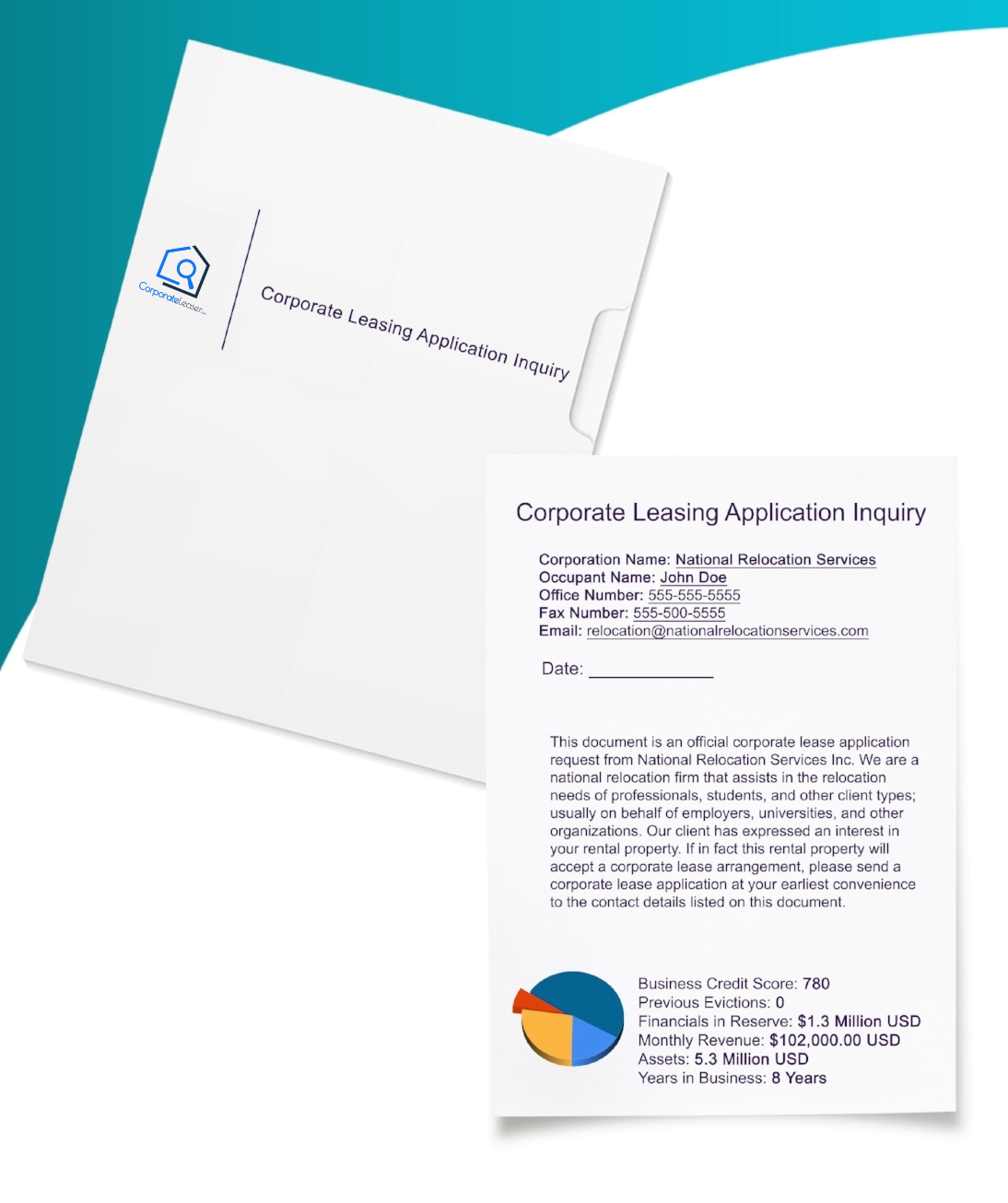
Corporate leasing is a rental arrangement in which a business, rather than an individual, is the named applicant or leaseholder. The person who will live in the home is still identified as the occupant, but the property owner may evaluate the company’s information as part of the application.
That distinction can matter when a renter’s information does not fit a property’s usual process. It does not mean that every landlord accepts a company application, that screening disappears, or that approval is automatic. Corporate leasing is a structure to discuss with a property manager—not a universal shortcut.
Corporate leasing in plain English
In a traditional rental, you apply as yourself. The landlord may review your income, credit report, rental history, references, identity documents, and other information permitted by the property’s policy. The lease names you as the tenant, and you are responsible for the rent and lease obligations.
With corporate leasing, a company may apply for or sign the lease, while you are listed as the intended occupant or connected to the company’s application. The exact arrangement depends on the landlord, the lease language, local rules, and the company’s documentation. Some properties accept corporate lease apartments; others only contract with an individual who will occupy the home.
The key question is not simply, “Can a company apply?” Ask instead: Who will be the legal tenant, who will live there, what information will be reviewed, and what does the property require from each party?
Company applicant versus occupant
These roles are related but not interchangeable:
- Company applicant or leaseholder: The business that submits information, signs an agreement, or assumes contractual responsibility if the property approves the arrangement.
- Occupant: The individual who will actually live in the unit. The property may require the occupant’s name, identification, background information, or a separate approval.
- Property owner or manager: The party that decides whether its policy permits corporate leasing and what screening or documentation applies.
A corporate application does not give the renter permission to hide who will occupy the home. A property manager may still need accurate household details, income information, identification, and an explanation of the company’s relationship to the occupant. Never alter an application or omit a required occupant to make an arrangement appear to qualify.
The Consumer Financial Protection Bureau explains that tenant screening reports can include rental history, credit reports, employment verification, eviction actions, criminal history, and a risk score or recommendation selected by the landlord. Consumer Financial Protection Bureau: What is a tenant screening report? A corporate structure may change which applicant information is presented first, but it does not establish what a particular property must accept or review.
What corporate leasing may—and may not—change
Corporate leasing may offer a different way to present an application when a company has records, financial information, references, or rental history that a property is willing to consider. It can give a renter a clear framework for discussing who will sign, who will occupy the home, and how rent will be paid.
However, “corporate leasing without credit checks” can be misleading if understood as “no screening.” A landlord may screen the company, the occupant, or both. It may require a deposit, application fee, income documentation, references, insurance, a personal guarantee, or other conditions. The property’s written policy controls.
Corporate leasing also does not guarantee a specific apartment, a move-in date, or a zero-cost move. You remain responsible for understanding the total cost, including any service charge, application fee, deposit, first month’s rent, utilities, pet charges, and other property fees. If you have questions about a lease or your rights, consult a qualified housing or legal professional in your area rather than treating a blog article as legal advice.
A practical decision sequence before you apply
Use this sequence before pursuing corporate leasing:
1. Confirm the property’s policy. Ask the leasing office whether it accepts corporate applicants, whether the company can be the leaseholder, and whether corporate leasing is available for an individual occupant or household. 2. Identify every required party. Request a written list of documents and approvals for the company, the occupant, co-occupants, guarantors, and any authorized users. 3. Map the screening process. Ask whether the property reviews business credit, personal credit, tenant screening reports, income, rental history, criminal history, or references. A property may use more than one method. 4. Calculate the full cost. Get the application fee, deposit, recurring rent, administrative charges, service fees, and any required insurance or utility costs in writing. Compare the total with your budget. 5. Verify the home and the contact. Tour the property when possible and contact the management company through its independently verified website or office number. The FTC warns that scammers copy real listings, request sensitive information, and pressure renters to send deposits by wire transfer, gift card, or cryptocurrency. Federal Trade Commission: Rental Listing Scams 6. Review before signing. Confirm the named tenant, occupant rules, rent due date, maintenance responsibilities, early-termination terms, renewal terms, and consequences of nonpayment. Keep copies of applications, approvals, receipts, and the signed agreement.
This process keeps the property’s requirements visible and helps prevent paying a service provider before learning that the selected apartment does not permit the arrangement.
How Corporate Leaser describes its program
CorporateLeaser.com presents a Second Chance Housing Program through corporate leasing. According to the company’s public website, a company may use its business profile and supporting information to submit a rental application on behalf of a client. The site describes a process involving an application, property selection, a case-manager request, and instructions for applying to the selected rental property.
Those are Corporate Leaser’s stated claims, not a universal legal rule or an approval promise. The selected property still has its own policies, fees, documents, screening, and approval. Terms can change, and the current application route may display a service-status notice, so check live information before paying or submitting sensitive documents.
Start at the Corporate Leaser home page for current program information. You can review the Corporate Leasing Program Application route, then use Contact Us or call 1-844-263-2287 to confirm pricing, availability, screening, and instructions. Do not assume that a past description, timeline, or outcome remains current.
Ask for clear answers before choosing a service
Ask whether the service is accepting applications, what its fee covers, which costs go directly to the property, what happens if the property rejects corporate leasing, and who receives your sensitive documents. Written answers beat “guaranteed approval.” The CFPB notes that inaccurate screening information can interfere with housing opportunities and that, in certain denials, consumers may have rights to receive report information and dispute inaccuracies. Consumer Financial Protection Bureau: What is a tenant screening report? For a dispute, legal question, credit-repair issue, or financial decision, seek qualified professional help.
Corporate leasing is an alternative application structure with property-specific limits. Separate the company applicant from the occupant, verify the property’s policy, budget every cost, and confirm current terms before sharing documents.
Sources and review note
- Consumer Financial Protection Bureau: What is a tenant screening report?
- Federal Trade Commission: Rental Listing Scams
Information about Corporate Leaser services reflects the public website and should be confirmed with Corporate Leaser before relying on current pricing, availability, screening, or program terms.