CorporateLeaser.com · Bad Credit Housing
Lease Options for Bad Credit: Compare the Structure Before Signing

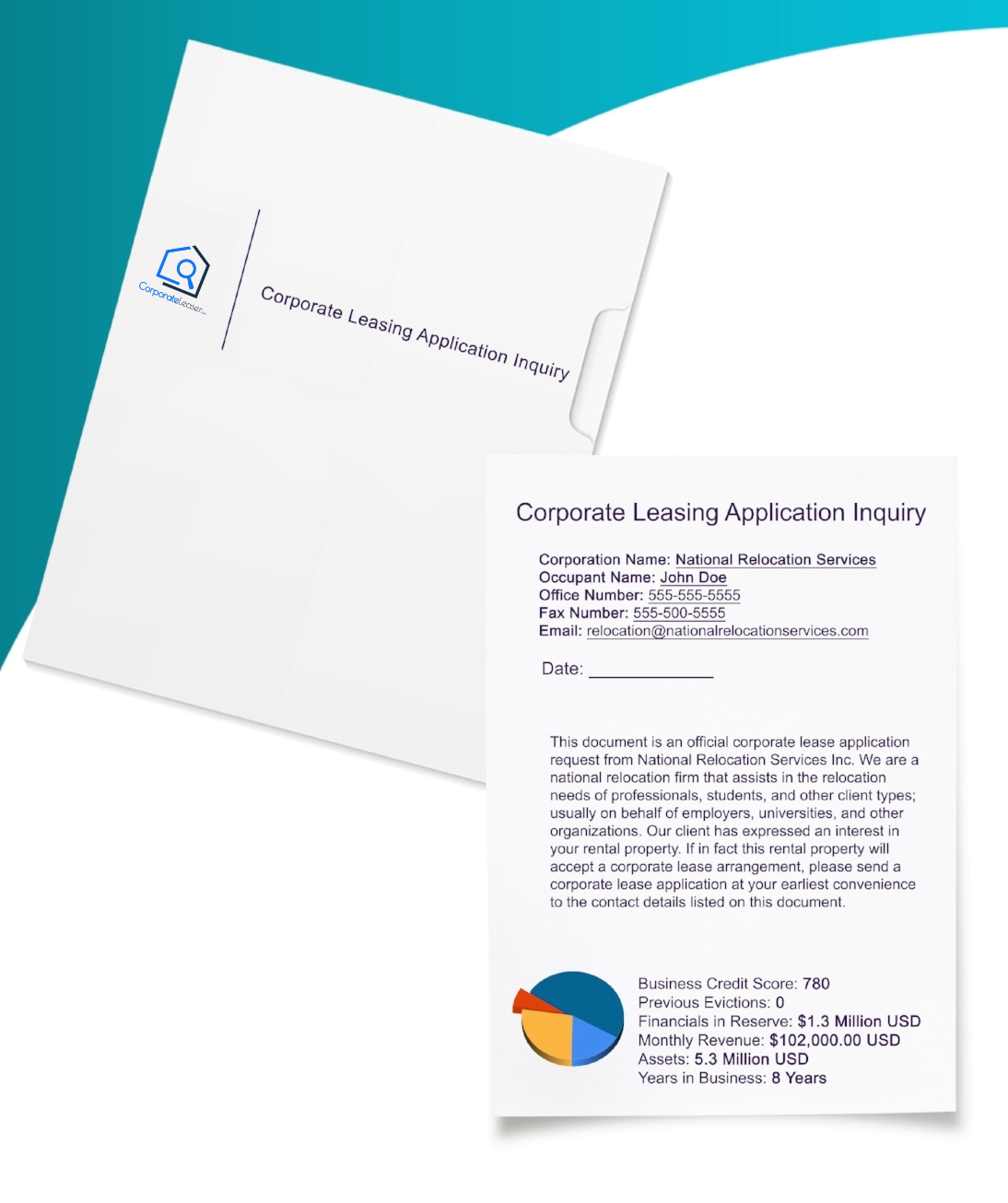
A low credit score can make a rental search feel like a choice between an expensive deposit and a quick “yes” you do not fully understand. The better approach is to compare the structure of each option before sharing sensitive information, paying a fee, or signing a lease.
“Lease options for bad credit” can mean several different arrangements. A conventional lease may involve your personal application and a co-signer. A property may offer a second-chance path with different deposit or income rules. In a corporate leasing arrangement, a company may apply as the leaseholder while you are identified as the occupant. These structures are not interchangeable, and none guarantees that a particular property will approve an application.
Start with the party signing the lease
First, identify who will be legally responsible to the landlord. In a traditional rental, you are generally the applicant and leaseholder. With a co-signer or guarantor, another person may take on defined payment obligations if you do not. With corporate leasing, a company may submit a rental application on behalf of a client, subject to the property’s policies and review.
That distinction affects more than the application form. Ask who receives notices, who pays the property directly, who is responsible for damage or missed rent, and whether you are signing a separate occupancy or sublease agreement. Get answers in writing. If the arrangement uses unfamiliar terms such as “renter ID,” “corporate profile,” or “alternative screening,” ask what each term means and where it appears in the contract.
A company applying does not mean the property stops evaluating the arrangement. The CFPB explains that tenant screening reports can include credit information, rental history, employment verification, court records, and risk scores. A landlord may use one or several sources, depending on its policy. Read the CFPB’s overview of tenant screening reports.
Compare the full cost, not just the rent
A lease that looks affordable at the monthly level can still be difficult at move-in. Put every cost on one page and label who collects it:
- Application or screening fees paid to the property
- Service or program fees paid to a leasing company
- Security deposit, administrative fee, and first month’s rent
- Pet, parking, utility, insurance, or setup charges
- Transfer, cancellation, renewal, or early-termination costs
Then ask whether a fee is refundable, when it is earned, and what happens if the selected property declines the application. Do not treat a refund policy as the same thing as approval or as protection from every loss. A property’s fees may be separate from a service provider’s fees.
Corporate Leaser’s public website has described a Second Chance Housing Program through corporate leasing, in which the company says it can use its business profile and supporting information to submit a rental application on a client’s behalf. The site also says the renter remains responsible for fees required by the property. Because service availability and terms can change, confirm current pricing, refund conditions, and eligibility directly before paying. Corporate Leaser states that corporate leasing services are active. Confirm current availability, pricing, property requirements, screening expectations, and program terms directly with Corporate Leaser before paying or submitting documents.
Ask how screening actually works
Be cautious with phrases such as “no credit check,” “no background check,” or “guaranteed approval.” They may describe one part of a process, not the property’s complete review. A landlord may still verify identity, income, rental history, criminal records where permitted, or the company’s information. The property may also reject an application for occupancy, income, availability, or policy reasons unrelated to your credit score.
The FTC’s tenant background-check guidance recommends asking what information a landlord uses before paying an application or background-check fee. If a landlord makes a negative decision based on a screening report, federal law generally provides an adverse-action notice and a way to request and dispute the report. That is consumer information, not a substitute for advice from a qualified attorney about your situation.
Ask these questions before choosing a structure:
1. Will the property run a credit, eviction, criminal, income, or rental-history check on me, the company, or both? 2. Who is the legal tenant, and will I receive a copy of every agreement? 3. What documents must I provide, and who will store or receive my Social Security number? 4. What event triggers each payment? 5. If the property declines the application, what is refundable and by when? 6. Can the property confirm in writing that it accepts this lease structure?
A practical decision sequence
Use this sequence to compare lease options for bad credit without rushing:
1. Confirm property fit. Tour the home or verify it through the property manager’s own website. Ask whether corporate leasing, a guarantor, or a second-chance application is accepted for that specific unit.
2. Map responsibility. Write down the leaseholder, occupant, payer, guarantor, and person responsible for repairs, rent, and violations. If the roles are unclear, pause.
3. Calculate the move-in total. Add all known fees and deposits. Compare that amount with the recurring monthly cost and the cost of leaving early.
4. Verify screening and data handling. Ask what will be reviewed and how your documents will be protected. Never send sensitive information through an unverified contact.
5. Read before signing. Check term, renewal, subletting, occupancy, late fees, maintenance, default, cancellation, and refund language. Consider qualified legal help for legal questions.
6. Keep a record. Save the listing, written answers, receipts, application, lease, and names of everyone involved.
Where Corporate Leaser may fit
Corporate Leaser connects to this comparison because its stated model is not simply “find an apartment with no screening.” Its public description centers on a company using its business profile and supporting information to submit a rental application on behalf of a client. That may be a path worth asking about when a renter’s personal credit history is the main obstacle, but the chosen property still has its own approval process.
If you want to understand the company’s stated process and current status, start with the Corporate Leaser home page, which is the meaningful place to review program notices and available next steps. You can also review the Corporate Leasing Program application page before submitting anything. The public site lists support at 1-844-263-2287; use that channel to confirm whether the program is accepting new cases and which terms apply now.
A responsible comparison may end with a traditional application, a co-signer, a different property, or no application yet. The goal is not to find the most optimistic promise. It is to choose a lease structure whose parties, screening, total cost, and exit terms you can explain before you commit.
Sources and review note
- Consumer Financial Protection Bureau: What is a tenant screening report?
- Federal Trade Commission: Tenant Background Checks and Your Rights
- Federal Trade Commission: Rental Listing Scams
- HUD: Fair Housing Act guidance on tenant screening
Information about Corporate Leaser services reflects the public website and should be confirmed with Corporate Leaser before relying on current pricing, availability, screening, or program terms.